

Soldadura de acero inoxidable: exploración de las aplicaciones y beneficios de la tecnología de soldadura de acero inoxidable
Tabla de contenido
Como uno de los procesos centrales en la manufactura moderna, soldadura de acero inoxidable desempeña un papel indispensable en sectores clave como la construcción, la construcción naval, la industria alimentaria y la fabricación de automóviles. Con la innovación continua en tecnología y materiales de soldadura, este proceso avanza hacia una mayor eficiencia, precisión y estabilidad.
El acero inoxidable, conocido por su alta resistencia a la corrosión, excelente resistencia y apariencia atractiva, se ha convertido en una parte integral de la vida industrial y cotidiana. La soldadura de acero inoxidable es un proceso técnicamente exigente que requiere alta precisión. La soldadura de acero inoxidable no solo requiere uniones de soldadura fuertes, sino que también garantiza una excelente apariencia y resistencia a la corrosión.
Desafíos Técnicos y Soluciones en la Soldadura de Acero Inoxidable
Uno de los principales desafíos en la soldadura de acero inoxidable es el control del aporte térmico. Debido a la baja conductividad térmica del acero inoxidable, un exceso de calor de soldadura puede provocar deformaciones e incluso dañar la estructura de la junta soldada. Además, el acero inoxidable tiende a formar una capa de óxido durante la soldadura, lo que afecta la apariencia y la calidad de la soldadura.
Al elegir los métodos de soldadura apropiados, como la soldadura TIG (Gas Inerte de Tungsteno) o MIG (Gas Inerte de Metal), estos problemas se pueden controlar de manera efectiva. La soldadura TIG es particularmente adecuada para soldar acero inoxidable de pared delgada, proporcionando alta precisión y zonas mínimas afectadas por el calor. La soldadura MIG, por otro lado, es más eficiente para soldar materiales más gruesos materiales de acero inoxidable.
Estudio de caso 1: Soldadura de acero inoxidable en equipos de procesamiento de alimentos
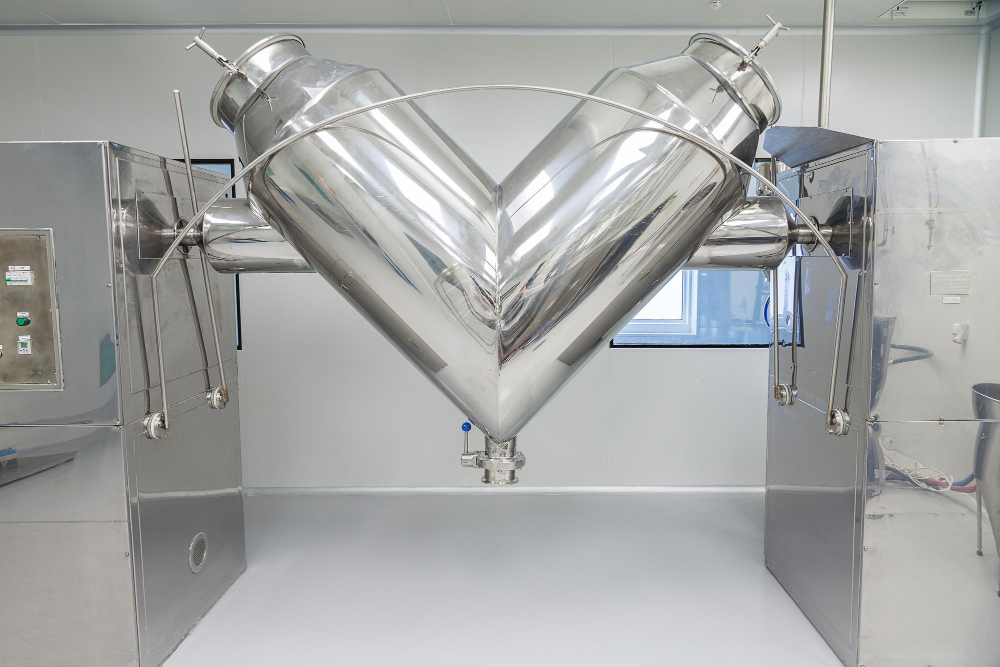
En la industria de procesamiento de alimentos, la soldadura de acero inoxidable es esencial para la fabricación de equipos que cumplen con estrictos estándares de higiene y seguridad, gracias a la resistencia a la corrosión inherente del material y a su facilidad de limpieza. La calidad de este proceso de soldadura es, por lo tanto, fundamental en tales aplicaciones.
Por ejemplo, una planta de procesamiento de alimentos utilizó soldadura de acero inoxidable para fabricar una gran máquina mezcladora que cumplía con los requisitos de higiene. Al adoptar métodos precisos de soldadura TIG, se aseguró la resistencia y los requisitos de higiene de la junta soldada, evitando la formación de capas de óxido y porosidad en la superficie del acero inoxidable, cumpliendo así con los estándares de la industria.
Caso de Estudio 2: Soldadura de Acero Inoxidable en Estructuras de Edificación
La soldadura de acero inoxidable se emplea extensivamente en el sector de la construcción, particularmente en edificios de gran altura y puentes, donde garantiza tanto la resistencia estructural como la durabilidad a largo plazo debido a la excelente resistencia a la corrosión del material.
Por ejemplo, en la construcción de un puente, se empleó soldadura de acero inoxidable para unir componentes de acero estructural. Esto no solo mejoró la estabilidad estructural, sino que también redujo los costos de mantenimiento, ya que la durabilidad y la resistencia a la corrosión de las soldaduras extendieron significativamente la vida útil del puente.

Las Ventajas y Opciones Tecnológicas en la Soldadura de Acero Inoxidable
1.Alta resistencia y resistencia a la corrosión: El acero inoxidable en sí mismo tiene una muy alta resistencia y resistencia a la corrosión, lo que hace que sus uniones soldadas sean fuertes y duraderas. Esto hace que la soldadura de acero inoxidable sea ampliamente utilizada en industrias con altos requisitos de resistencia del material y resistencia a la corrosión, como la aeroespacial y la construcción naval.
2.Acabado estéticoLas juntas soldadas en acero inoxidable se caracterizan por su suavidad, lograda mediante un control preciso durante el proceso de soldadura, lo que resulta en una apariencia visualmente limpia y atractiva. En particular, la soldadura TIG permite una soldadura de alta precisión con una calidad de superficie superior.
3. Amplia Gama de Aplicaciones: La soldadura de acero inoxidable se aplica ampliamente en diversas industrias, incluyendo la automotriz, equipos médicos, construcción y procesamiento de alimentos. Se pueden elegir diferentes métodos de soldadura según los requisitos específicos, adaptándose a diferentes espesores y tipos de material.
El Futuro de la Soldadura de Acero Inoxidable
Con los continuos avances tecnológicos, el futuro de la soldadura de acero inoxidable parece muy prometedor. Se espera que la adopción de sistemas de soldadura automatizados y el creciente uso de la robótica de soldadura mejoren significativamente la eficiencia, aumenten el rendimiento de la producción y reduzcan el error humano.
A medida que las regulaciones ambientales se vuelven más estrictas, existe un énfasis creciente en el desarrollo de métodos de soldadura que produzcan menos calor y contaminación. La soldadura láser, conocida por su alta eficiencia y mínimo impacto ambiental, se está adoptando cada vez más para aplicaciones de acero inoxidable. Mirando hacia el futuro, podemos esperar que esta tecnología logre avances significativos, alcanzando nuevos niveles de precisión, eficiencia y sostenibilidad.
Conclusión
Como tecnología indispensable en la fabricación y construcción modernas, la soldadura de acero inoxidable desempeña un papel fundamental en aplicaciones que van desde equipos de procesamiento de alimentos hasta estructuras arquitectónicas y otros sectores industriales de alta demanda. Con los continuos avances en la tecnología de soldadura, este proceso evoluciona continuamente para ser más preciso, eficiente y estar mejor equipado para cumplir con los estrictos estándares requeridos en diversas industrias.