

لحام صفائح الفولاذ المجلفن: فهم العملية والتغلب على التحديات
جدول المحتويات
Exploring the Relationship Between Galvanized Steel Sheets and Welding
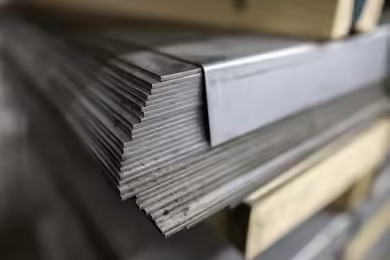
Galvanized steel sheet welding is a critical process in various industries, particularly in construction, automotive, and manufacturing. Galvanized steel sheets are coated with a layer of zinc to provide corrosion resistance, making them ideal for applications where the material is exposed to harsh environmental conditions. However, welding galvanized steel presents unique challenges due to the presence of the zinc coating. This article explores the relationship between galvanized steel sheets and welding, shedding light on the techniques and considerations required for successful welding.
Understanding Galvanized Steel Sheets and Their Welding Challenges
Galvanized steel sheets are produced by coating steel with a thin layer of zinc through a process known as galvanization. This coating helps protect the steel from rust and corrosion, especially in environments prone to moisture and chemicals. While galvanized steel sheets are widely used due to their durability, their zinc coating can complicate the welding process.
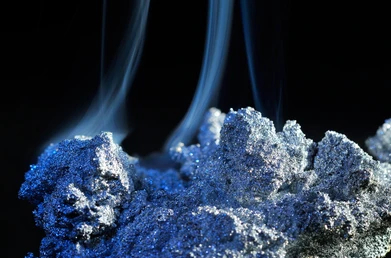
When welding galvanized steel sheets, the primary concern is the release of zinc fumes. Zinc has a relatively low melting point, and when the galvanized steel is exposed to the intense heat of welding, the zinc coating can vaporize, creating hazardous fumes. These fumes not only pose health risks but also affect the quality of the weld. Therefore, understanding how to manage the zinc coating during the welding process is crucial for achieving high-quality welds.
The Welding Process of Galvanized Steel Sheets
لحام صفائح الفولاذ المجلفن requires special techniques to avoid the issues caused by the zinc coating. The process typically involves two main steps: preparing the galvanized steel sheet for welding and executing the welding process itself.
Step 1: Preparing Galvanized Steel Sheets for Welding
Before starting the welding process, it’s essential to prepare the galvanized steel sheets properly. This involves cleaning the surface to remove any dirt, oil, or contaminants. Additionally, the zinc coating may need to be removed from the area where the weld will be made. This can be done by grinding or sanding the coating off, as leaving the zinc on the welding area can lead to contamination and poor weld quality.
Step 2: Choosing the Right Welding Method
When it comes to galvanized steel sheet welding, the choice of welding method plays a significant role in ensuring a successful weld. Several welding techniques are suitable for galvanized steel, but each comes with its advantages and challenges:
1.MIG Welding (Metal Inert Gas Welding): MIG welding is one of the most commonly used methods for welding galvanized steel sheets. It provides good penetration and works well on thicker materials. However, MIG welding requires careful control of heat input to prevent excessive zinc vaporization.
2.TIG Welding (Tungsten Inert Gas Welding): TIG welding offers high precision and control over the welding process, making it ideal for thin galvanized steel sheets. However, it requires skill and experience, especially when dealing with the zinc coating.
3.Stick Welding (Shielded Metal Arc Welding): Stick welding is a more versatile option that works well for thicker galvanized steel sheets. However, it may produce more spatter, and special electrodes are needed to handle the zinc coating.
Step 3: Managing the Zinc Fumes
During galvanized steel sheet welding, one of the most significant challenges is controlling the zinc fumes. These fumes can cause health problems if inhaled, and they can also lead to the formation of a poor-quality weld. To mitigate the effects of zinc fumes, it is essential to:
- Work in a well-ventilated area: This is crucial to ensure that the zinc fumes are effectively dispersed.
- Use fume extraction systems: Fume extractors can help capture and remove harmful fumes at the source, reducing the risks to the welder’s health.
- Wear proper protective equipment: Welders should always wear a suitable welding mask and respiratory protection when working with galvanized steel.
Common Problems When Welding Galvanized Steel Sheets
Even with the right preparation and technique, galvanized steel sheet welding can still present some challenges. Here are a few common problems:
1.Poor Weld Quality: If the zinc coating is not removed correctly or if excessive heat is applied, the weld may be weak and prone to cracking.
2.Porosity: The release of zinc fumes during welding can lead to porosity in the weld. This occurs when gas bubbles become trapped in the molten metal, weakening the weld.
3.Zinc Contamination: If the zinc coating is not properly removed, it can contaminate the weld, leading to defects such as cracks or weak bonding.
Advantages of Galvanized Steel Sheets in Welding Applications
Despite the challenges of galvanized steel sheet welding, this material offers several advantages that make it ideal for various applications:
1.Corrosion Resistance: The primary benefit of galvanized steel is its corrosion resistance. The zinc coating prevents rust and oxidation, extending the lifespan of the welded steel.
2.Durability: Galvanized steel sheets are durable and can withstand harsh environmental conditions, making them suitable for outdoor structures, automotive parts, and industrial equipment.
3.Cost-Effectiveness: Compared to other corrosion-resistant materials, galvanized steel is relatively affordable and provides a cost-effective solution for many applications.
The Future of Galvanized Steel Welding
As welding technology advances, we can expect improvements in the techniques used for galvanized steel sheet welding. New welding methods, such as اللحام بالليزر, may offer greater precision and reduced heat input, which would help mitigate the challenges posed by the zinc coating.
Additionally, there will likely be further innovations in protective coatings and welding equipment that can help welders manage the release of zinc fumes more effectively, leading to safer and higher-quality welds.
خاتمة
لحام صفائح الفولاذ المجلفن plays a critical role in a wide range of industries, from construction to automotive manufacturing. By understanding the challenges associated with welding galvanized steel and implementing the right techniques, welders can achieve high-quality welds that take advantage of the material’s corrosion resistance and durability. With advancements in welding technology and safety measures, the future of galvanized steel welding looks promising.