

فهم فوهات ماكينات اللحام بالليزر: الميزات والأنواع ودليل الاختيار
جدول المحتويات
فوهة آلة اللحام بالليزر هي الواجهة الصغيرة ولكن الحاسمة بين رأس الليزر وغاز العملية وقطعة العمل؛ يؤثر شكلها وتدفق الغاز ومادتها بشكل مباشر على استقرار اللحام والمسامية والإنتاجية.
لماذا فوهة آلة اللحام بالليزر مهمة
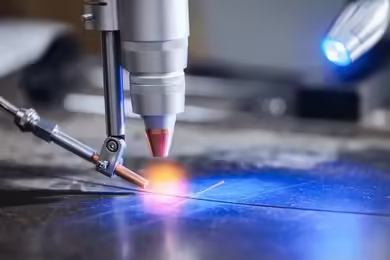
تعمل الفوهة على تشكيل غاز المساعدة/الحماية، وتمنع التلوث، وتتحكم في الجو المحلي حيث يتفاعل الليزر مع البركة المنصهرة. في العديد من عمليات لحام الليزر، تؤدي الفوهة الخاطئة أو تدفق الغاز السيئ إلى زيادة تكون البلازما، وتقليل اختراق اللحام، وإنشاء وصلات ملحومة مؤكسدة أو مسامية.
حتى في الخطوط الآلية، غالبًا ما يكون الفوهة سببًا متكررًا لتباين الجودة: التآكل أو الانسداد أو عدم تطابق حجم الفتحة يغير ديناميكيات الغاز وبالتالي الظروف الحرارية عند الثقب. لإنتاج قوي، يجب معاملة الفوهة كمادة استهلاكية تؤثر على التحكم في العملية والتتبع.
أنواع فوهة ماكينة اللحام بالليزر
تنقسم فوهات اللحام بالليزر إلى عدد قليل من العائلات العملية. لكل منها مزايا اعتمادًا على المادة وشكل اللحام وما إذا كان يلزم إضافة مادة مالئة/مسحوق.
| عائلة الفوهة | استخدام نموذجي | السمة الرئيسية |
|---|---|---|
| محوري (جسم واحد) | لحام الصفائح الرقيقة، دقة عالية | الغاز والشعاع متمركزان - الأفضل للحماية المتسقة |
| غير محوري / جانبي النفخ | تطبيقات تحتاج إلى فوهات غاز مائلة | أسهل لتوجيه التدفق إلى جانب واحد؛ يستخدم عندما تفرض الهندسة التوجيهية أو هندسة الوصلة ذلك |
| غاز مزدوج / مركب | سير العمل للغازات المساعدة/الواقية المختلطة | قنوات منفصلة لغازات العمليات والتدريع، تحسن الاستقرار |
| مسحوق/محوري (إضافي) | اللحام بالليزر أو اللحام بمساعدة المسحوق | مسحوق وغاز يتم توصيلهما محوريًا مع الشعاع للتحكم في الترسيب |
تشير الدراسات المرجعية إلى أن هندسة توصيل الغاز (متحدة المركز مقابل النفخ الجانبي) يمكن أن تغير المسامية وشكل اللحام، لذا يجب أن يعتمد الاختيار على الأدلة.
الميزات الرئيسية لتقييم فوهة آلة اللحام بالليزر
- هندسة الفوهة وقطرها. يتحكم حجم الفوهة في سرعة الغاز والتغطية؛ الفوهات الأصغر تركز التدفق، والفوهات الأكبر تقلل الضغط العكسي.
- الطول والمسافة. تؤثر المسافة من طرف الفوهة إلى قطعة العمل (المسافة) على كيفية تغطية الغاز للدرزة وكيفية تبديد الحرارة.
- التمركز / المحاذاة. للحام عالي الدقة، يجب أن يكون المحور البصري ومحور الغاز متمركزين؛ يؤدي عدم المحاذاة إلى تفاقم تكوين الدخان وكوبلنغ الطاقة.
- التبريد والكتلة الحرارية. قد تكون الفوهات مبردة بنشاط أو ثقيلة الكتلة لمقاومة التشوه؛ يضمن الاستقرار الحراري الحفاظ على شكل الفتحة وقابليتها للتكرار.
- قابلية الاستبدال والاقتصاد. تفضل خطوط الإنتاج الفوهات سريعة التغيير ذات الوصلات القياسية لتقليل وقت التوقف عن العمل.
تتفاعل هذه الميزات مع بعضها البعض: على سبيل المثال، قد تحمي الفوهة الطويلة ذات الفتحة الصغيرة اللحام جيدًا ولكنها تزيد من خطر الانسداد وقد تكون غير مناسبة للبيئات الملوثة. يوازن الاختيار العملي بين الحماية والصيانة.
مواد وطلاءات لفوهة آلة اللحام بالليزر
تشمل مواد الفوهات الشائعة النحاس، والنحاس الأصفر، والفولاذ المقاوم للصدأ، وحشوات السيراميك. تُقدّر المعادن النحاسية وسبائكها للتوصيل الحراري ودقة التشغيل؛ تُستخدم السيراميكيات عند الحاجة إلى مقاومة عالية للتآكل أو العزل الكهربائي. تعمل الطلاءات السطحية (الطلاء بالنيكل، والتشطيبات المقاومة للأكسدة) على إطالة العمر الخدمي في البيئات المسببة للتآكل أو ذات درجات الحرارة العالية.
عند لحام المعادن المتفاعلة (مثل التيتانيوم) أو المواد العاكسة (مثل النحاس)، اختر فوهات ومانعات تسرب تقاوم التلوث وتقلل من الانعكاسات الخلفية. يجب أيضًا التحقق من توافق المواد مع عوامل التنظيف وأبخرة اللحام أثناء تأهيل المورد.
غازات التدريع والمساعدة - تأثير الفوهة
تحدد الفوهة كيفية تفاعل غازات التدريع (الأرجون، الهيليوم، الخلائط) مع سحابة الليزر وحوض الانصهار. لا يمنع غاز التدريع في لحام الليزر الأكسدة فحسب، بل يقلل أيضًا من امتصاص البلازما لطاقة الليزر - وهو تأثير حاسم لبعض الأطوال الموجية وأنواع الليزر. على سبيل المثال، يتمتع الهيليوم بجهد تأين عالٍ ويمكنه التخفيف من تكوين البلازما في أنظمة CO₂ معينة؛ الأرجون شائع بسبب تكلفته وفعاليته.
أسلوب تدفق الغاز (محوري مقابل محور جانبي) ومعدل التدفق هي معلمات تعتمد على الفوهة ويجب ضبطها لسماكة المادة وقوة الليزر. توضح الأدبيات المعاصرة اختلافات قابلة للقياس في الاختراق وشكل اللحام بين إعدادات الغاز المختلفة، لذا قم بتوثيق تركيبات الغاز/الفوهة أثناء تأهيل العملية.
كيفية اختيار فوهة آلة لحام الليزر المناسبة - قائمة مرجعية عملية
1- تطابق مجموعة الفوهات مع المعالجة: محوري للأجواء المغلقة والمحاذاة البصرية الدقيقة؛ نفث جانبي حيث يتطلب ثقب الوصل الوصول لغاز بزاوية.
2. تحديد استراتيجية الغاز: تحديد غازات التدريع والمساعدة، ومعدلات التدفق المطلوبة، وما إذا كان التسليم ثنائي القناة مفيدًا.
3. حدد الفتحة والمسافة الفاصلة: قم بإجراء تجارب للعثور على أفضل حجم للفوهة والمسافة بين الطرف والجسم للحصول على الاختراق الهندسي المناسب للشكل.
٤. المواد والطلاء: اختر مواد فوهات تتحمل الحرارة، والرش، والتعرض الكيميائي من السبيكة الملحومة.
5. قابلية الخدمة أفضل الفوهات النمطية سهلة الاستبدال؛ خطط لمخزون قطع الغيار حسب متوسط عمر المواد الاستهلاكية.
6. وثائق نوافذ العمليات: للتحكم في الإنتاج، قم بتثبيت نوع الفوهة، وإعدادات الغاز، والمسافة في إجراء التصنيع.
يقلل استخدام هذه القائمة المرجعية أثناء الفحص الأولي (FAI) من إعادة العمل ويسرع من بدء تشغيل عائلات الإنتاج المؤهلة.
أمثلة على الاختيار العملي
- ألواح رقيقة غير قابلة للصدأ (0.5-2 مم): فوهة محورية صغيرة، درع أرجون، مسافة قصيرة لثقوب المفاتيح الضحلة.
- الفولاذ السميك (> 4 مم): فوهة أكبر، خلطات الهيليوم/الأرجون المضبوطة في بعض الحالات، ضع في اعتبارك التسخين المسبق وفوهة مزدوجة الغاز لاختراق مستقر.
- الكسوة / ترسيب المسحوق: استخدام فوهة محورية قادرة على المسحوق مع تغذية دقيقة للمسحوق وتشكيل الغاز لاحتواء حوض الصهر.
هذه الأمثلة هي نقاط انطلاق؛ يجب التحقق من المعلمات الفعلية على نماذج اختبار تمثيلية لعملية الإنتاج.
صيانة فوهة ماكينة اللحام بالليزر، واستكشاف الأخطاء وإصلاحها، واعتبارات العمر الافتراضي
افحص الفوهات يوميًا في الخطوط ذات الحجم الكبير: تحقق من وجود تشوه، تراكم كربون، أو انسداد جزئي. نظف الفوهات باستخدام المذيبات المناسبة والأساليب الميكانيكية الموصى بها من قبل الموردين؛ تجنب الإجراءات الكاشطة التي تغير هندسة الفوهة. تتبع عمر الفوهة مقابل ساعات اللحام وأدخل دورة استبدال في خطة الصيانة.
الأعراض والأسباب المحتملة:
- زيادة المسامية تحقق من تدفق الغاز، استبدل الفوهة إذا كان الثقب مشوهاً.
- انخفاض الاختراق تحقق من مسافة الفصل، والانحياز، ووجود تلوث على الغطاء أو بالقرب منه.
- التصاق الرذاذ المفرط إعادة فحص خليط الغاز وتبريد الفوهة.
جدول ملخص — اختيار سريع في لمحة
| سيناريو | عائلة الفوهة الموصى بها | غاز | ملحوظات |
|---|---|---|---|
| صفائح رقيقة دقيقة | فتحة صغيرة محورية | أرجون | وقفة قصيرة، محاذاة دقيقة |
| حجم كبير سمك متوسط | محوري / غاز مزدوج | أرجون/هيليوم مخلوط | ضع في اعتبارك نصائح قابلة للاستبدال والتبريد |
| طلاء مسحوق | مسحوق متحد المركز | الأرجون (غاز حامل) | التحكم في تغذية المسحوق ضروري |
ملاحظات ختامية
تُعد فوهة ماكينة اللحام بالليزر مكونًا صغيرًا مخادعًا يشكل قابلية تكرار العملية والجودة وتكلفة الملكية. ويتطلب اختيار الفوهة الصحيحة التفكير في الأنظمة: البصريات والغاز والمحاذاة الميكانيكية والعمر الاستهلاكي والاستجابة المعدنية للسبائك الملحومة. استخدم التجارب، ووثق الإعدادات التي أثبتت جدواها، وتعامل مع مواصفات الفوهة كجزء من خطة التحكم في العملية بدلاً من أن تكون فكرة لاحقة. بالنسبة لتصميمات الفوهات التفصيلية والدراسات المقارنة، توفر الأعمال والمعايير التي تمت مراجعتها من قِبل الأقران (مثل كتيبات المعالجة بالليزر ومجلات اللحام) دعمًا تجريبيًا للقرارات العملية.
إذا كنت تريد معرفة المزيد عن فوهات آلات اللحام بالليزر، فيرجى انقر هنا.