

كيفية استخدام ماكينة اللحام بالليزر المحمولة بفعالية: دليل شامل
جدول المحتويات
ال آلة اللحام بالليزر المحمولة باليد هي أداة تغير قواعد اللعبة في صناعة اللحام، وهي مصممة لتحقيق الدقة وسهولة الحمل والكفاءة. على عكس طرق اللحام التقليدية التي تتطلب معدات ضخمة وإعدادات معقدة، فإن آلات اللحام بالليزر المحمولة باليد خفيفة الوزن وقابلة للحمل، مما يسمح باستخدامها في مجموعة واسعة من التطبيقات. تستخدم هذه الماكينة شعاع ليزر مُركَّز لصهر المواد عند نقطة محددة، مما يخلق رابطة قوية بين الأجزاء بأقل قدر من التشويه الحراري.
وبسبب قدرتها على لحام مجموعة واسعة من المواد - مثل الفولاذ والألومنيوم والتيتانيوم - دون الحاجة إلى مواد حشو، فإن اللحام بالليزر أصبحت الماكينات لا غنى عنها في الصناعات التي تتطلب لحامات عالية الجودة، بما في ذلك السيارات والفضاء والإلكترونيات.
كيف تعمل ماكينة اللحام بالليزر المحمولة باليد؟
أ آلة اللحام بالليزر المحمولة باليد يعمل عن طريق توجيه شعاع ليزر عالي الطاقة إلى مادة ما، مما يؤدي إلى ذوبان المادة وترابطها معًا. تنتقل الحزمة من خلال كابل ألياف ضوئية يركز الشعاع على سطح المادة. والنتيجة هي عملية لحام دقيقة ونظيفة تقلل من التشوه الحراري والحاجة إلى تنظيف شامل بعد اللحام.
توفر هذه الماكينة العديد من المزايا مقارنة بالطرق التقليدية:
- تحكم دقيق بالحرارة: يعمل الليزر المركز على تسخين المنطقة التي يتم لحامها فقط، مما يؤدي إلى تقليل الضرر الذي يلحق بالمناطق المحيطة.
- الحد الأدنى من المنطقة المتأثرة بالحرارة (HAZ): وهذا يقلل من خطر التواء أو تشويه المادة.
- لا حاجة لمواد الحشو: لا يتطلب اللحام بالليزر في كثير من الأحيان مواد حشو إضافية، مما يجعلها فعالة من حيث التكلفة والكفاءة.
دليل خطوة بخطوة لاستخدام ماكينة اللحام بالليزر المحمولة باليد
بالنسبة للمبتدئين، قد يبدو استخدام ماكينة اللحام بالليزر المحمولة باليد أمرًا مخيفًا، ولكن باتباع هذه الخطوات التفصيلية، ستكتسب الثقة وتعتاد على العملية.
1- الإعداد: إعداد الماكينة
الإعداد المناسب هو مفتاح نجاح عملية اللحام. إليك كيفية البدء:
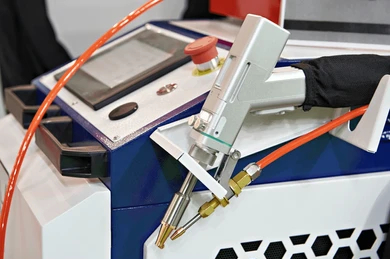
- قم بتوصيل مصدر الطاقة: ابدأ بتوصيل الماكينة بمصدر طاقة ثابت. تأكد من أن الجهد الكهربائي يطابق المواصفات المطلوبة للماكينة (عادةً ما يشار إليها في دليل المستخدم).
- إعداد نظام التبريد: نظرًا لأن ماكينات اللحام بالليزر المحمولة باليد غالبًا ما تولد حرارة كبيرة، فإن نظام التبريد ضروري. قم بتوصيل وحدة التبريد (عادةً ما تكون مبردة بالماء) بالماكينة للحفاظ على المكونات في درجة الحرارة المناسبة ومنع ارتفاع درجة الحرارة. تحقق مرة أخرى من مستويات سائل التبريد والتوصيلات.
- قم بتوصيل كابل الألياف البصرية الليزرية: ينتقل شعاع الليزر عبر كابل الألياف البصرية. قم بتوصيل الألياف بإحكام بمصدر الليزر ورأس اللحام. يضمن كابل الألياف المثبت بشكل صحيح تركيز الليزر بدقة على المادة.
- افحص قطعة العمل: نظف المادة التي توشك على لحامها. قم بإزالة أي أوساخ أو زيت أو صدأ، حيث يمكن أن يؤثر ذلك على جودة اللحام.
2- اختيار إعدادات الليزر المناسبة
تعتبر الإعدادات التي تختارها حاسمة لجودة اللحام. إليك دليل تفصيلي لتحديد الإعدادات الصحيحة خطوة بخطوة:
- قوة الليزر: تحدد طاقة الليزر عمق اللحام. إذا كنت تقوم بلحام مادة سميكة، فستحتاج إلى زيادة الطاقة. بالنسبة للمواد الرقيقة، تكفي إعدادات الطاقة المنخفضة. ابدأ بالإعداد الموصى به في دليل المستخدم، ثم اضبطه حسب الحاجة.
- سرعة اللحام: يشير هذا إلى مدى سرعة تحريك رأس اللحام. إذا تحركت بسرعة كبيرة، فقد يكون اللحام ضعيفًا. قد يؤدي التحرك ببطء شديد إلى ارتفاع درجة الحرارة. عادة ما تكون السرعة المعتدلة والمتسقة هي الأفضل. تدرب على قطع الخردة للعثور على السرعة المناسبة.
- التركيز: التركيز المناسب ضروري للحام الدقيق. اضبط عدسة التركيز على رأس اللحام للتأكد من أن شعاع الليزر حاد ومركّز. يمكنك استخدام مادة اختبار للتحقق من التركيز وضبطه وفقًا لذلك.
- حجم الفوهة: يمكن أن يؤثر حجم الفوهة على عملية اللحام. قد تكون الفوهات الأكبر حجمًا أفضل للمواد الأكثر سمكًا، بينما تكون الفوهات الأصغر حجمًا مثالية للأعمال الدقيقة. تحقق من مواصفات الفوهة واختر وفقًا لذلك.
3- عملية اللحام: إجراء عملية اللحام
بمجرد إعداد الماكينة واختيار الإعدادات، يحين وقت اللحام. اتبع هذه الخطوات للحصول على لحام عالي الجودة:
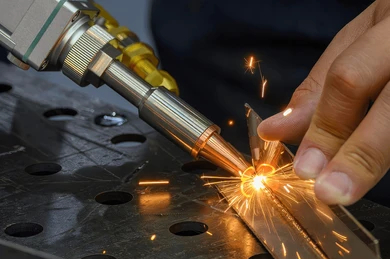
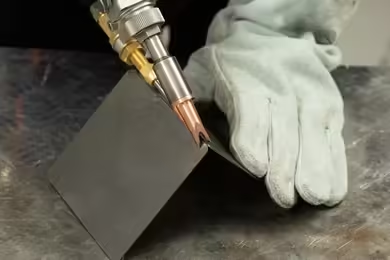
- ضع رأس اللحام: أمسك رأس اللحام حوالي 1 إلى 2 ملليمتر فوق سطح المادة. حافظ على الفوهة بزاوية ثابتة بزاوية 90 درجة تقريبًا على قطعة العمل. تأكد من نظافة السطح وخلوه من الملوثات للحصول على أفضل النتائج.
- بدء اللحام بالليزر: اضغط على الزناد لبدء تشغيل الليزر. حرّك رأس اللحام ببطء على طول الوصلة حيث تريد إنشاء اللحام. سيبدأ الليزر في إذابة المادة أثناء تحريكه على طول المسار. حافظ على يد ثابتة لضمان الحصول على حبة متساوية.
- مراقبة اللحام: أثناء تحريك رأس اللحام، راقب حبة اللحام. يجب أن تبدو متناسقة وسلسة. إذا كان اللحام رقيقًا جدًا أو ضعيفًا، فقم بإبطاء اللحام. إذا كانت سميكة للغاية، قم بزيادة السرعة قليلاً.
- تجنب السخونة الزائدة: اللحام بالليزر عملية سريعة، ولكن إذا بقيت في مكان واحد لفترة طويلة جدًا، فإنك تخاطر بإتلاف المادة. تأكد من الحفاظ على وتيرة ثابتة لمنع ارتفاع درجة الحرارة أو الاحتراق.
4- فحص ما بعد اللحام
بعد الانتهاء من اللحام، اترك المادة لتبرد بشكل طبيعي. افحص اللحام بحثًا عن أي عيوب مرئية مثل الثقوب أو الشقوق أو عدم انتظام في الحبة. يجب أن يكون اللحام الجيد سلسًا ومتساويًا وقويًا. يمكنك إجراء اختبار قوة بسيط عن طريق النقر برفق على اللحام أو اختبار ترابطه مع مواد أخرى. إذا لزم الأمر، استخدم مطحنة لإزالة أي حواف خشنة أو مواد زائدة.
الفوائد الرئيسية لماكينات اللحام بالليزر المحمولة باليد
توفر آلات اللحام بالليزر المحمولة باليد العديد من المزايا الفريدة:
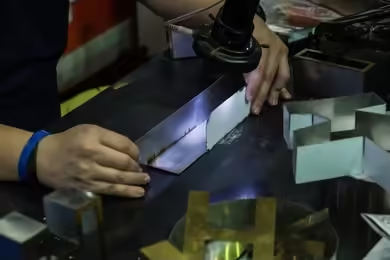
- الدقة: يتيح شعاع الليزر المركز إمكانية اللحام الدقيق، حتى على المكونات الحساسة أو المعقدة.
- قابلية النقل: تصميمها المدمج وخفيف الوزن يجعلها مثالية للحام في الموقع أو اللحام المتنقل.
- سرعة: اللحام بالليزر أسرع من طرق اللحام التقليدية، مما يزيد من كفاءة الإنتاج.
- النظافة: تُقلل دقة الليزر من الرذاذ والحاجة إلى التنظيف بعد اللحام، مما يوفر الوقت والجهد.
- تشويه أقل يضمن الحد الأدنى من المنطقة المتأثرة بالحرارة عدم إضعاف المواد المحيطة بالحرارة الزائدة، مما يحافظ على سلامة الجزء.
أسئلة شائعة حول ماكينات اللحام بالليزر المحمولة باليد
كيف تحافظ على آلة لحام ليزر يدوية؟
الصيانة الدورية هي المفتاح لضمان الأداء على المدى الطويل. إليك بعض النصائح:
- تنظيف رأس الليزر: تأكد من أن رأس الليزر وعدسة التركيز خاليتان من الغبار والحطام. استخدم قطعة قماش من الألياف الدقيقة ومحاليل تنظيف مناسبة لتجنب الخدوش.
- تحقق من نظام التبريد: تأكد من أن نظام التبريد يعمل بكفاءة لمنع ارتفاع درجة الحرارة. تحقق من وجود تسربات وتأكد من إعادة ملء سائل التبريد حسب الحاجة.
- فحص كابل الألياف الضوئية: افحص الكابل بانتظام بحثًا عن أي علامات تآكل أو تلف. يمكن للكابل التالف أن يؤثر على كفاءة الليزر ودقته.
هل يمكن استخدام آلة اللحام بالليزر المحمولة على جميع المعادن؟
نعم، يمكن لأجهزة اللحام بالليزر المحمولة العمل مع مجموعة واسعة من المعادن، بما في ذلك الفولاذ المقاوم للصدأ والألمنيوم والتيتانيوم. ومع ذلك، قد يتطلب كل معدن إعدادات مختلفة للحصول على أفضل النتائج. اختبر دائمًا على خردة المواد قبل العمل على المكونات القيمة.
هل من السهل تعلم كيفية استخدام آلة لحام الليزر المحمولة؟
تتميز آلات اللحام بالليزر المحمولة بأنها سهلة الاستخدام بشكل عام، لكن إتقانها يتطلب ممارسة مخصصة. ابدأ بالممارسة على مواد خردة للتعرف على طريقة التشغيل، ثم جرّب تعديل إعدادات الطاقة والسرعة. كما أن مراجعة دليل المستخدم بدقة أمر ضروري لفهم إمكانيات الجهاز بالكامل. مع الممارسة المستمرة، ستحسن جودة اللحام بثبات وتبني ثقة تشغيلية قوية.
هل تبحث عن استكشاف تقنيات متقدمة أو تطبيقات صناعية؟ قم بزيارة دليل الخبراء لدينا لمزيد من معرفة اللحام الاحترافية والنصائح العملية للارتقاء بمهاراتك إلى المستوى التالي.
مزايا آلات اللحام بالليزر المحمولة باليد
ختاماً، تُعد ماكينة اللحام بالليزر المحمولة أداة لا تقدر بثمن لأي شخص يتطلع إلى تحقيق لحامات دقيقة وعالية الجودة. إن قابليتها للحمل، وسرعتها، ومنطقة التأثر الحراري الصغرى تجعلها مثالية لكل من المشاريع الصغيرة والتطبيقات الصناعية. من خلال اتباع الخطوات الموضحة في هذا الدليل، يمكن للمبتدئين استخدام الماكينة بثقة لإنتاج لحامات موثوقة ونظيفة، مع تحسين مهاراتهم في اللحام بمرور الوقت. سواء كنت لحامًا محترفًا أو هاويًا، فإن الاستثمار في ماكينة لحام بالليزر محمولة يمكن أن يعزز قدراتك في اللحام بشكل كبير.