

How to Choose the Best Laser Marking Machine
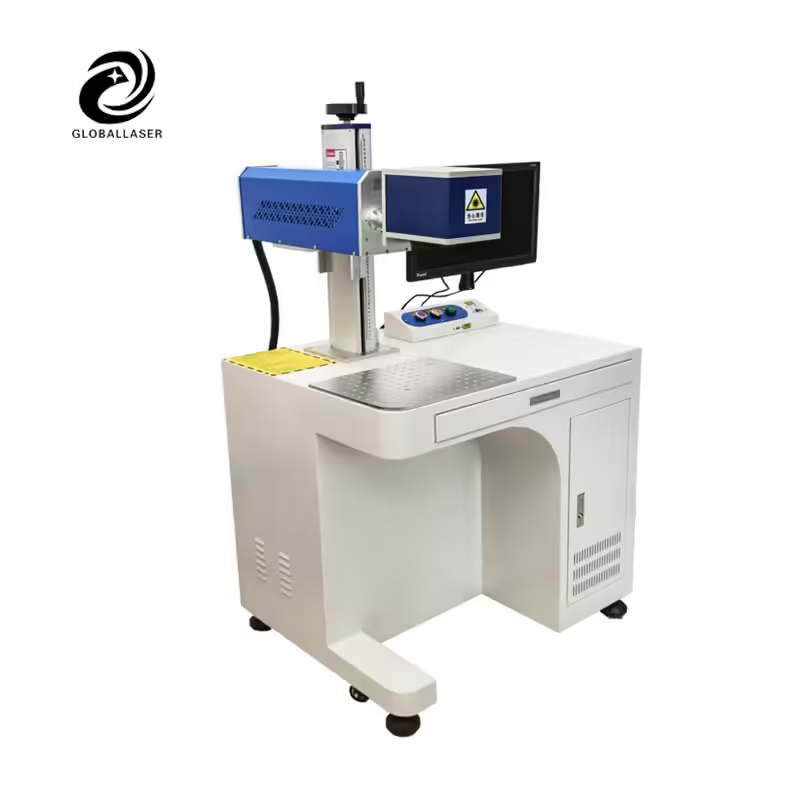
In today’s fast-paced manufacturing environment, precision and traceability are key drivers of competitiveness. Whether you are producing automotive parts, electronic components, or industrial tools, laser marking has become the preferred method for achieving durable and high-quality markings. Selecting the right laser marking machine is crucial to improving production efficiency, reducing operational costs, and ensuring long-term reliability.
This comprehensive guide will help you understand how laser marking works, compare different laser types, evaluate essential features, and ultimately choose the best machine for your business needs.
Table of Contents
What Is Laser Marking?
Laser marking is the process of using a high-intensity laser beam to create permanent marks on various materials. Unlike printing or labeling, laser marking does not require ink or contact, which makes it cleaner, faster, and maintenance-free. The laser alters the surface of the material through oxidation, engraving, or carbonization, producing clear and durable marks that resist wear and corrosion.
The Main Types of Laser Marking Machines
Each laser source is optimized for specific materials and applications. Below is a comparison of the most common laser marking machines available on the market.
Laser Type Comparison Table
| Laser Type | Best For | Wavelength | Advantages | Common Applications |
|---|---|---|---|---|
| Fiber Laser | Metals (Steel, Aluminum, Brass) | 1064 nm | High precision, long lifespan, no consumables | Automotive, aerospace, tools |
| CO₂ Laser | Non-metals (Wood, Leather, Plastic, Paper) | 10.6 μm | Clean surface marking, cost-effective | Packaging, crafts, advertising |
| UV Laser | Sensitive materials (Glass, Silicon, Polymers) | 355 nm | “Cold marking,” ultra-fine resolution | Electronics, medical devices |
| MOPA Laser | Metals & Plastics (Color marking) | 1064 nm adjustable | Variable pulse width, vivid color marking | Branding, electronics, luxury goods |
This table serves as a quick reference for choosing the ideal laser type based on your material and industry needs.
Fiber Laser Marking Machines: The Industrial Standard
Fiber laser marking machines are the top choice for marking metal materials. Their 1064 nm wavelength interacts efficiently with metallic surfaces, allowing for high-speed, high-contrast marks. They feature a lifespan of over 100,000 hours and require almost no maintenance. For businesses seeking both speed and durability, fiber lasers offer unmatched value.
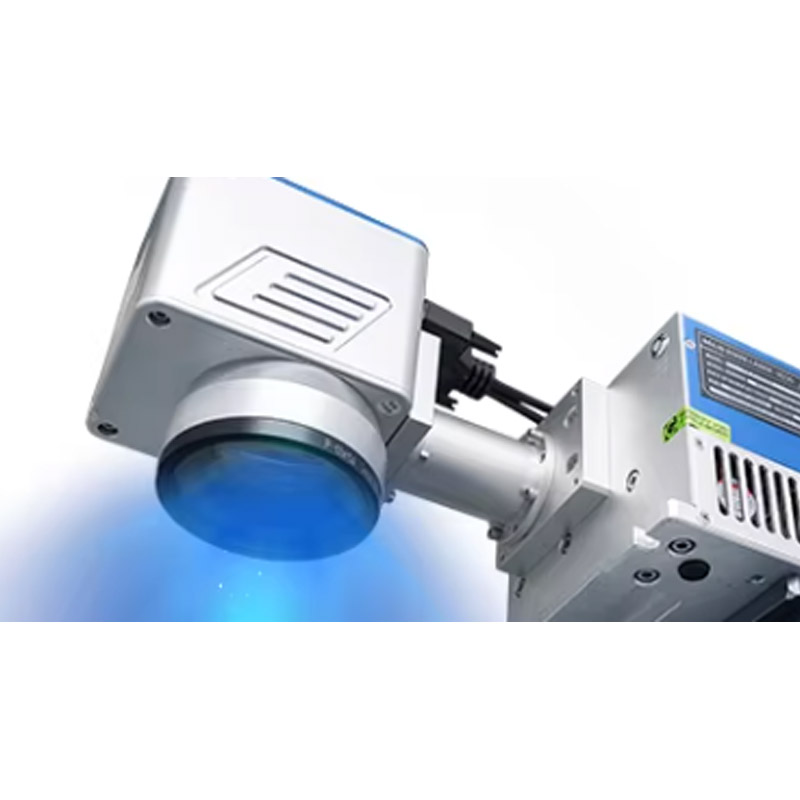
CO₂ Laser Marking Machines: Best for Non-Metals
CO₂ lasers are optimized for organic and non-metallic materials. They produce clean, smooth markings on materials like wood, paper, leather, and acrylic. These machines are widely used in industries such as packaging, crafts, and decoration. CO₂ lasers are especially popular among small businesses due to their cost-effectiveness and wide versatility.
UV Laser Marking Machines: Precision Without Heat
UV laser marking operates with a shorter wavelength (355 nm), resulting in minimal heat generation and extremely fine marking. This makes it ideal for micro-level marking on sensitive materials like electronic components, semiconductors, or medical instruments. If your business requires precision down to the micron, UV laser marking is the superior choice.
MOPA Laser Marking Machines: Versatile and Aesthetic
MOPA laser technology allows control over pulse duration and frequency, making it more flexible than traditional fiber lasers. Users can produce colorful markings on stainless steel or crisp white contrasts on plastics. This makes MOPA systems a favorite in the consumer electronics and luxury branding industries.
Key Factors to Consider When Choosing a Laser Marking Machine
When selecting the ideal laser marking machine, several factors should guide your decision.
1. Material Type
Different materials absorb laser wavelengths differently. Choose a laser source based on your primary materials:
- Metals → Fiber or MOPA laser
- Plastics → UV laser
- Wood, leather, paper → CO₂ laser
2. Marking Area and Speed
For mass production, choose a system with a large marking field and a fast galvo scanning head. If precision is more important than speed, prioritize beam quality over power.
3. Software Compatibility
Ensure the machine supports industry-standard marking software such as EZCAD or proprietary software with CAD compatibility. This allows integration with existing design workflows and automation systems.
4. Durability and Maintenance
Modern laser marking systems require minimal maintenance, but environmental stability is key. Keep the workspace dust-free, maintain consistent cooling, and check optical lenses regularly.
5. Cost and ROI
While the upfront investment for a laser marking machine can be significant, the savings in consumables, downtime, and labor make it a smart long-term investment. Evaluate your projected output and choose a system that provides the best return on investment within 2–3 years.
Advanced Features: 3D Dynamic Focus and Vision Alignment
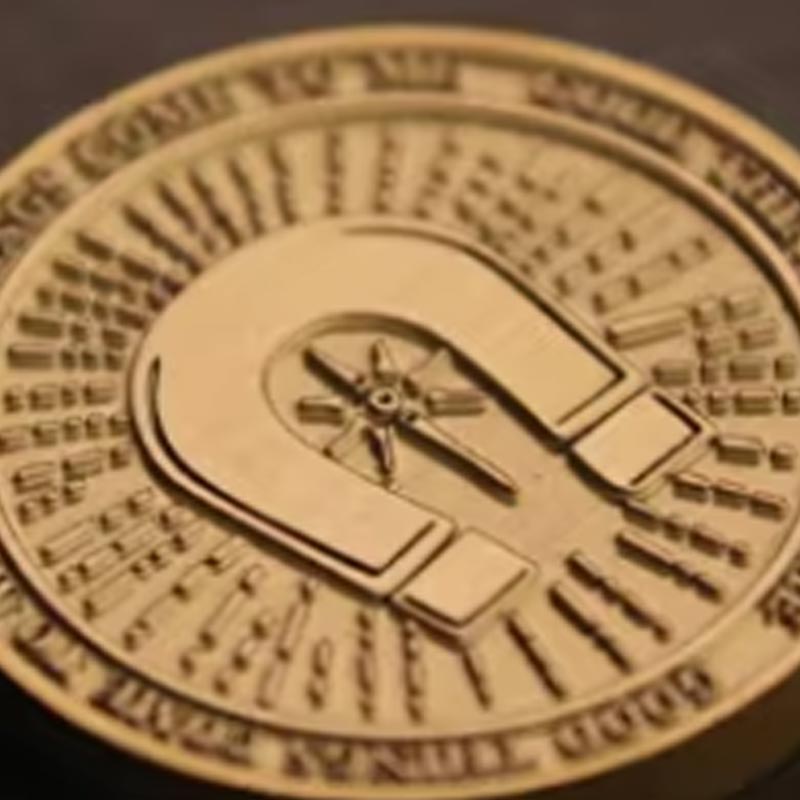
3D dynamic focus laser marking machines are designed for marking on curved, sloped, or irregular surfaces. The adjustable focus lens ensures consistent precision across different heights. Vision alignment systems, meanwhile, use cameras to automatically locate parts and adjust marking position, greatly improving accuracy and reducing waste in automated production lines.
Applications Across Industries
Laser marking has become an indispensable tool across numerous industries:
- Automotive – VIN codes, logos, serial numbers
- Electronics – Circuit boards, connectors, IC chips
- Medical – Instruments, surgical tools, compliance markings
- Aerospace – Safety labeling and traceability
- Consumer Goods – Branding, personalization, and product identification
No matter the sector, laser marking enhances product authenticity, quality, and traceability.
Maintenance Tips for Long-Term Performance
To keep your laser system operating at peak performance:
- Clean optical lenses regularly
- Avoid excessive humidity and dust
- Use stable voltage power supplies
- Calibrate scanning heads periodically
Following these steps ensures longevity and stable performance even in demanding industrial environments.
Final Thoughts
Laser marking technology is transforming manufacturing by combining precision, speed, and eco-efficiency. By choosing the right laser type—fiber, CO₂, UV, or MOPA—you can optimize your production line for quality and reliability.
If you are ready to upgrade your marking capabilities, SDGlobal provides comprehensive laser marking solutions tailored to your industry needs. From compact desktop units to advanced 3D dynamic systems, our machines deliver precision, performance, and durability that help your business stand out in a competitive market.
Contact SDGlobal today to discover how our laser marking technology can help you achieve flawless results and long-term success.
FAQ
What materials can a laser marking machine process?
Most laser marking machines can process metals, plastics, ceramics, and organic materials. Fiber lasers are ideal for metals, while CO₂ and UV lasers are better suited for non-metals and sensitive substrates.
How long does a fiber laser marking machine last?
A high-quality fiber laser typically has a service life of over 100,000 hours, equivalent to more than 10 years of continuous use.
Can laser marking damage my materials?
No. When properly configured, the laser only interacts with the surface layer. UV lasers, in particular, generate minimal heat, making them perfect for delicate materials.
Is maintenance complicated?
Not at all. Laser marking systems are nearly maintenance-free. Periodic cleaning and environmental control are usually sufficient.
How can I choose between fiber, CO₂, and UV lasers?
It depends on your application. Fiber for metals, CO₂ for non-metals, and UV for sensitive materials. Always consider your production volume and precision requirements.