

Electric Marking Machines: Precision, Materials, and Cost Breakdown for Beginners
Table of Contents
What Exactly Is an Electric Marking Machine?
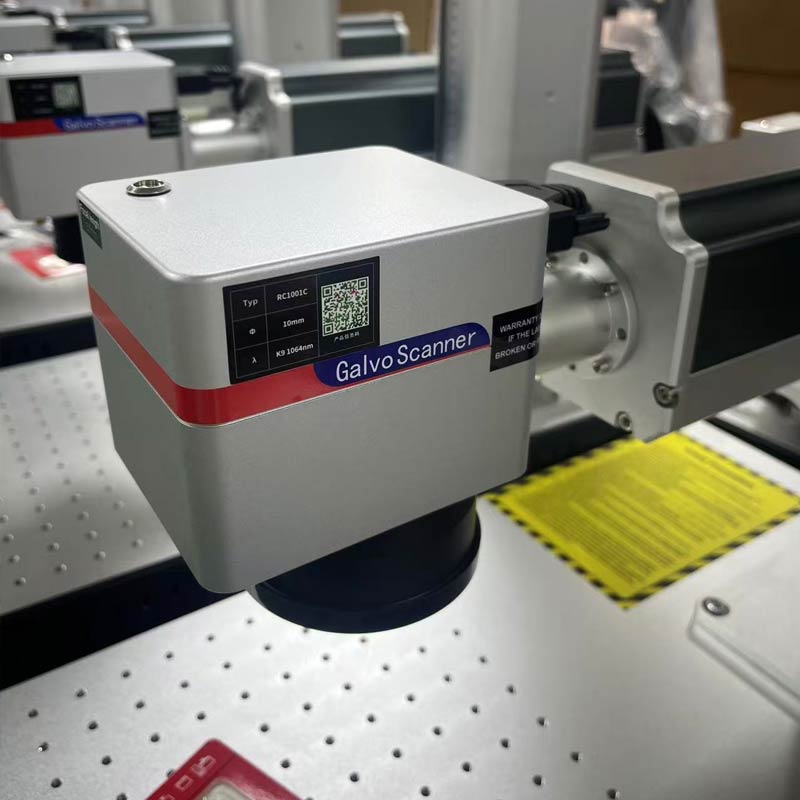
An Electric Marking Machine is an industrial tool used to create permanent, precise markings on materials such as metals, plastics, and ceramics. This machine works by using an electric stylus that strikes the material’s surface with a series of controlled, quick hits, forming dots or patterns. These markings are commonly used for identification purposes such as serial numbers, barcodes, logos, and part numbers.
How It Works
The operation of an Electric Marking Machine is based on a pneumatic or electric pin that rapidly impacts the material’s surface. The machine is controlled by software, allowing precise control of the dot size, pattern, and depth.
Here’s a simplified view of how it works:
1.Material Placement: The material to be marked is placed securely on the bed of the machine. The bed may include fixtures to hold irregularly shaped workpieces.
2.Stylus Activation: The stylus is activated electrically, which drives it into the material’s surface to create a series of controlled dots.
3.Marking Formation: The dots form patterns or text, which can include barcodes, logos, or any other type of permanent mark. The density and depth of the dots depend on the machine’s settings.
The Electric Marking Machine ensures that the markings are permanent, readable, and resistant to wear, heat, and environmental conditions, making it ideal for industries that require high precision. According to the ASM Handbook, electric marking technologies offer distinct advantages over traditional engraving methods, particularly in terms of precision and durability (ASM Handbook – Surface Engineering).
What Materials Can It Mark? How Deep?
One of the main advantages of an Electric Marking Machine is its ability to mark a wide range of materials, from hard metals to soft plastics. The machine’s ability to adjust marking depth allows it to handle varying material hardness and thickness.
Materials That Can Be Marked
| Material | Can Be Marked | Common Applications |
| Metals | Steel, stainless steel, aluminum, copper | Automotive parts, industrial equipment |
| Plastics | ABS, polycarbonate, nylon | Consumer goods, electronics |
| Ceramics | Certain ceramics and composites | Medical devices, precision tools |
| Glass | Can be marked with lower depth | Glass containers, electronic displays |
Depth of Marking
The typical marking depth for Electric Marking Machines is up to 0.5 mm. The marking depth is adjustable based on the hardness of the material. For softer materials, deeper markings are possible, while harder materials like stainless steel require higher pressure to achieve the desired depth.
Is It Hard to Operate?
Operating an Electric Marking Machine is simple and intuitive. Modern machines come equipped with user-friendly software and interfaces that allow for easy configuration and operation, even for beginners.
Basic Operation
1.Setup: Place the material securely on the bed of the machine. If the workpiece is irregularly shaped, additional fixtures might be used.
2.Software Configuration: Use the machine’s software to input the marking design. You can select predefined patterns or create custom ones, including text, logos, or barcodes.
3.Marking: Once the settings are configured, the machine starts marking the material. The stylus moves according to the programmed design, creating a pattern of dots on the surface.
4.Post-Marking: Once the marking is completed, the material is ready for further processing or use.
User-Friendly Features
- Touchscreen Interface: Many Electric Marking Machines feature a touchscreen interface, allowing for easy navigation and operation.
- Automatic Adjustment: These machines often come with automatic depth adjustment based on the material, ensuring optimal markings every time.
For beginners, entry-level models with basic functions are recommended, but more advanced systems allow for custom programming and integration with other production lines.
How Much Does It Cost?
The price of an Electric Marking Machine depends on several factors, including features, marking size, and machine capability. On average, Electric Marking Machines range from $2,000 to $15,000, depending on the application.
Cost Breakdown
| Type of Machine | Price Range | Features | Suitable For |
| Entry-Level Models | $2,000–$5,000 | Basic functionality, easy software interface | Small businesses, low-volume marking |
| Mid-Range Models | $5,000–$10,000 | Adjustable marking depths, higher speed | Medium-scale operations, multi-materials |
| High-End Models | $10,000–$15,000+ | Advanced features, robotic integration | Large-scale industrial production |
What Should You Buy for Your First Purchase?
For your first purchase, an entry-level or mid-range model is typically the best choice. These machines provide essential functionality that suits small to medium-sized businesses. Look for a model with user-friendly software and versatile capabilities, especially if your business involves working with a variety of materials. This ensures that the machine can handle different surfaces efficiently, making it a solid investment for diverse applications.
What Can I Make With It?
An Electric Marking Machine offers endless possibilities for marking industrial components. Some common examples of what can be made:
Examples of Products Made:
| Product | Common Uses |
| Identification Codes | Serial numbers, part numbers, QR codes, barcodes |
| Logos and Text | Company logos, product labels, branding |
| Custom Engraving | Personalization for products, tools, and parts |
The machine can produce high-quality, permanent marks that are ideal for product identification, traceability, and compliance. It can also be used to add custom designs to tools, industrial parts, or promotional products.


Energy Costs of Operating an Electric Marking Machine
While Electric Marking Machines are generally efficient, it is important to understand their energy consumption to keep costs in check. The amount of energy consumed depends on the machine’s power and duration of operation.
Energy Consumption Breakdown
| Type of Machine | Power Consumption | Estimated Energy Cost (per hour) | Ideal for |
| Entry-Level Models | 100–300W | $0.10–$0.30 | Small businesses, short marking tasks |
| Mid-Range Models | 300–600W | $0.30–$0.60 | Medium to large businesses |
| High-End Models | 600–1,000W | $0.60–$1.20 | Large-scale industrial production |
Electric marking systems are generally more energy-efficient than laser marking systems, and the cost per hour is minimal. However, businesses should track machine operation to monitor energy consumption and optimize usage.
How to Reduce Energy Costs
- Use energy-saving features: Many modern machines come with energy-saving modes that automatically adjust power usage based on activity.
- Operate only when needed: Reduce unnecessary operation by turning off the machine when not in use.
- Choose efficient models: Some newer models are specifically designed to consume less energy without sacrificing performance.
Conclusion
The Electric Marking Machine is a versatile, reliable, and cost-effective tool for permanent industrial marking. Whether marking metals, plastics, or ceramics, it offers precision, durability, and ease of use. With relatively low operational costs and the ability to handle various marking needs, it’s an ideal choice for businesses of all sizes.
By selecting the right model and managing energy consumption, businesses can achieve efficient, high-quality marking for identification, traceability, and branding purposes. Whether you’re a small business or a large industrial manufacturer, an electric marking machine is a powerful solution for marking components that require precision and permanence.