

316 Stainless Steel Surface Treatment: Enhancing the Aesthetic Finish of Kitchen Sinks
Table of Contents
In modern kitchens, sinks are one of the essential fixtures that not only serve the functional purpose of water handling but also contribute to the aesthetic value of the space. Particularly, 316 stainless steel surface treatment not only enhances the durability of sinks but also gives them a unique, sleek appearance. 316 stainless steel, as a material known for its excellent corrosion resistance and high-temperature performance, is widely used in various kitchen appliances, especially in high-end kitchenware and sink manufacturing, making it indispensable.
In the manufacturing of kitchen sinks, 316 stainless steel surface treatment is crucial. It not only influences the appearance of the sink but also affects its durability and ease of cleaning. Understanding the properties of 316 stainless steel and its surface treatment characteristics helps us better understand why this material is so suitable for kitchen sinks.
The Advantages of 316 Stainless Steel and Its Application in Kitchen Sinks
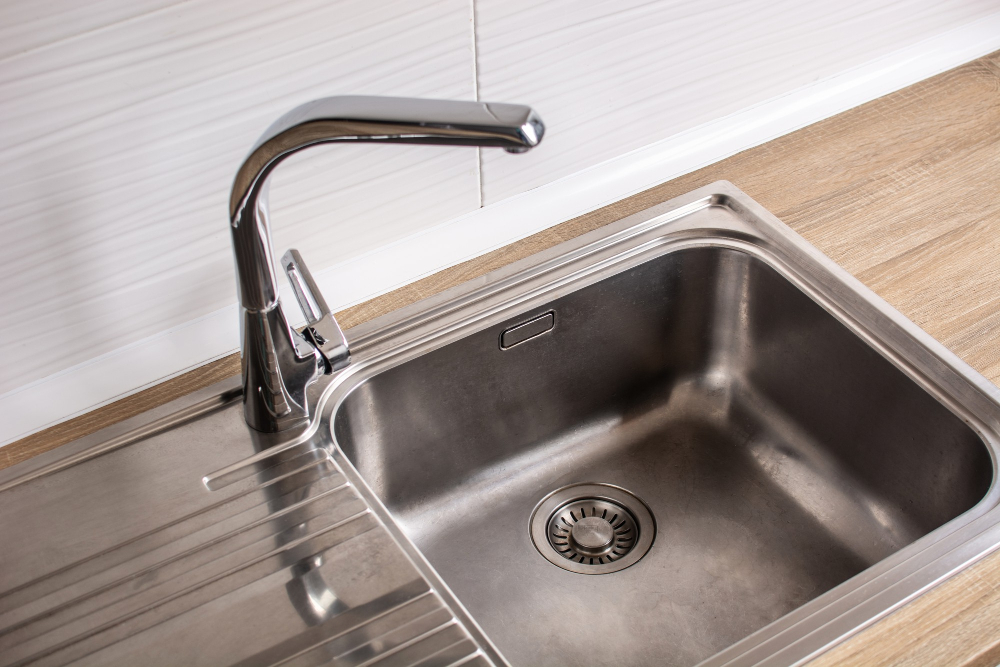
316 stainless steel offers excellent corrosion resistance, particularly against chloride environments, making it an ideal choice for kitchen applications. Kitchens are often exposed to water, acidic, or alkaline substances, and 316 stainless steel maintains its stability under these conditions, preventing rust or corrosion. Therefore, 316 stainless steel is widely used in the manufacturing of kitchen sinks, kitchenware, and other equipment.
In addition to its corrosion resistance, 316 stainless steel also offers high strength and heat resistance, making it ideal for manufacturing kitchen sinks that need to withstand high temperatures during cooking and washing.
The Importance of 316 Stainless Steel Surface Treatment
316 stainless steel surface treatment is not only for aesthetic purposes but also to increase the sink’s lifespan and functionality. By applying fine surface treatments, 316 stainless steel can exhibit a smooth, even surface that reduces dirt accumulation and makes cleaning easier.
Common surface treatment methods include:
- Brushed Finish: The mechanical brushing process creates fine linear textures on the surface of 316 stainless steel. This treatment not only makes the sink more visually appealing but also increases the surface’s friction, helping to prevent scratches.
- Mirror Finish: Mirror finishing allows 316 stainless steel to reflect light, creating a glossy effect. This is suitable for high-end kitchen sinks where visual appeal is a priority.
- Sandblasted Finish: Sandblasting gives 316 stainless steel a uniform, matte effect. This treatment helps reduce fingerprints and watermarks, keeping the sink clean.
The Relationship Between 316 Stainless Steel Welding and Surface Treatment
When manufacturing kitchen sinks, 316 stainless steel welding is a key process, especially when connecting multiple components. Welding must not only ensure the strength of the joints but also ensure that the welded areas match the surface treatment of the rest of the sink. Post-welding, 316 stainless steel surfaces may develop an oxide layer or discoloration, affecting the overall aesthetic.
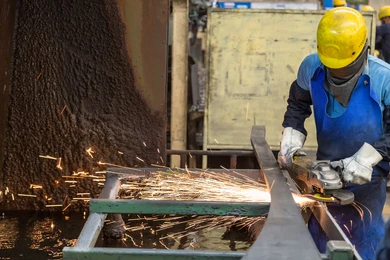
To address this, manufacturers often perform post-weld surface treatments, such as polishing or pickling, to remove oxide layers and restore the metal’s shine. Some high-end sinks undergo heat treatment or electropolishing after welding to ensure that the welded areas match the overall finish.
The Future of 316 Stainless Steel Surface Treatment Technology
With continuous technological advancements, the 316 stainless steel surface treatment technology will continue to improve. In the future, with the development of nanotechnology and surface treatment innovations, 316 stainless steel finishes will become finer, and surface properties will be further enhanced. For example, using nano-coating technology will improve the stainless steel surface’s resistance to dirt, making it more scratch-resistant and corrosion-resistant.
In the kitchen sink and kitchenware industry, 316 stainless steel surface treatment will continue to play a vital role, meeting consumers’ higher demands for aesthetics, functionality, and durability.