

Laser Cutting Machine for Acrylic: A Complete Professional Guide
Table of Contents
Introduction
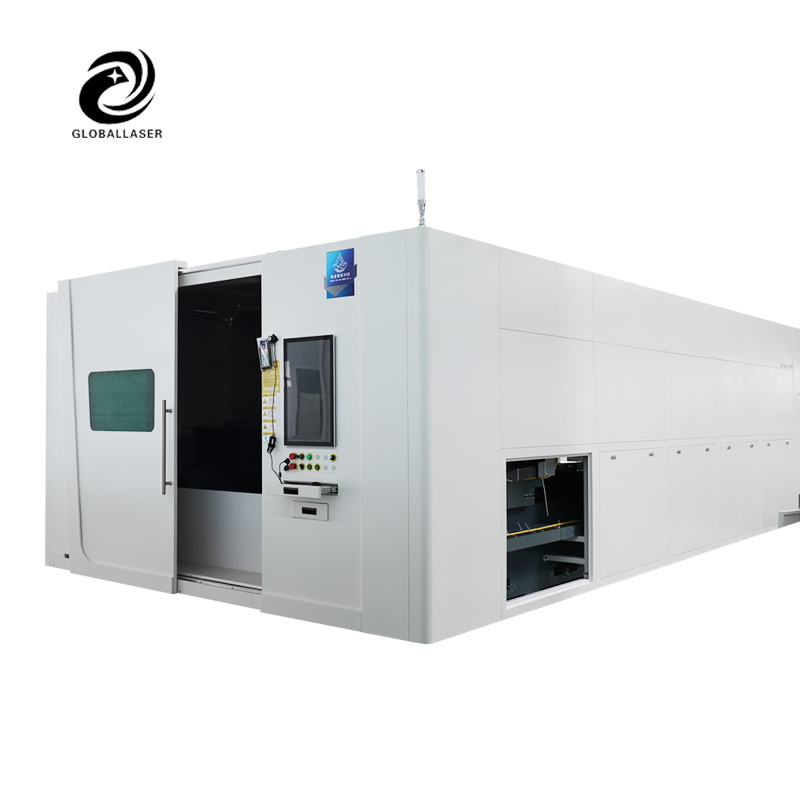
A laser cutting machine for acrylic is one of the most efficient and reliable tools used in modern manufacturing, product design, signage production, and customized fabrication. Known for delivering exceptional clarity, smooth edges, and consistent performance, this machine has become essential for businesses and workshops that process acrylic sheets daily. Whether you produce signage, display items, lighting components, crafts, or precision prototypes, understanding how to select and operate the right laser cutting machine for acrylic is crucial for maximizing efficiency and product quality.
Acrylic is valued for its transparency, formability, and visual appeal. To achieve clean edges and minimal post-processing, a laser cutting machine for acrylic must offer precise power control, stable motion systems, and optimized airflow. This guide provides a comprehensive professional analysis of machine features, performance factors, applications, maintenance practices, and purchasing considerations.
What Makes Acrylic Ideal for Laser Cutting?
Acrylic is an excellent material for laser processing because of its predictable behavior under laser energy. Unlike other plastics that may discolor or emit excessive fumes, acrylic melts cleanly and re-solidifies without leaving charred edges. The interaction between the laser beam and acrylic produces a flame-polished finish, eliminating the need for sanding or polishing.
Advantages of Acrylic for Laser Cutting
- Clear and smooth cutting edges
- High optical transparency
- Suitable for both cutting and engraving
- Stable thermal behavior
- Supports detailed shapes and fine contours
- Excellent for lighting and display applications
These characteristics make acrylic one of the most widely used materials in laser fabrication.
How a Laser Cutting Machine for Acrylic Works
A laser cutting machine for acrylic uses a precise beam focused on the acrylic surface. The energy melts or vaporizes the material, creating a narrow kerf with clean edges. Air assist controls molten material, while motion systems ensure smooth cutting paths.
Key Components
- Laser tube: Generates the beam
- Motion system: Controls X/Y movement
- Optical path: Mirrors and lens for beam delivery
- Cooling system: Regulates laser temperature
- Air assist: Improves cut clarity
- Control software: Manages parameters such as speed, power, and passes
Understanding these components helps ensure stable performance and long machine life.
Key Specifications to Consider When Selecting a Laser Cutting Machine for Acrylic
Laser Power Requirements
Different acrylic thicknesses require different power ranges. Proper power ensures clean, polished edges and efficient production speed.
- Thin acrylic (1–3 mm): Low power settings
- Medium acrylic (4–8 mm): Mid-level power
- Thick acrylic (10–20 mm): Higher power and slower speed
Work Area Size
Choose the work area according to your production scale:
- Small sheets for crafts
- Medium sheets for signage and displays
- Large sheets for industrial components
Cutting Speed and Motion Precision
High-grade rails and linear guides improve accuracy during fast cutting. Smooth motion is essential for curves, corners, and detailed shapes.
Software Compatibility
Software should support vector formats such as DXF, AI, SVG, and PDF. Layered control enables different power settings in one project.
Edge Quality Optimization
The combination of the machine’s optics, power settings, and air assist determines edge transparency. A properly configured laser cutting machine for acrylic can achieve flame-polished edges without additional finishing.
Applications of Laser Cutting Machine for Acrylic
Signage and Advertising
Acrylic is widely used for:
- Illuminated signs
- Logo cutouts
- Lettering for storefronts
- Display boards
Laser cutting ensures crisp edges and perfect shapes that improve brand visibility.
Product Display and Retail Fixtures
Retail environments rely on acrylic for:
- Display stands
- Transparent shelving
- Cosmetic showcases
- Merchandise holders
A laser cutting machine for acrylic helps deliver consistent quality for repeated production.
Lighting and Architectural Features
Acrylic diffuses light evenly, making it ideal for:
- LED panels
- Light guide plates
- Decorative lighting components
Customized Products and Crafts
Laser cutting enables small businesses to produce:
- Personalized gifts
- Keychains and accessories
- Awards and trophies
- Home décor items
Industrial Applications
Industries use acrylic for precision components such as:
- Mechanical panels
- Protective covers
- Prototyping parts
- Electronic enclosures
Comparison Table: Acrylic Cutting Performance Factors
| Performance Factor | Impact on Cutting Quality | Importance Level |
|---|---|---|
| Laser Power | Determines thickness capability and cut clarity | High |
| Focal Lens Quality | Influences beam spot size and precision | High |
| Cutting Speed | Affects edge smoothness and productivity | Medium |
| Air Assist | Helps remove debris and reduce heat marks | Medium |
| Software Optimization | Enables control over layers and passes | Medium |
| Machine Stability | Ensures accuracy for complex shapes | High |
This table helps you evaluate equipment performance based on your production needs.
Best Practices for Cutting Acrylic
Use the Correct Focus
A precise focal point ensures smooth, polished edges. Regular lens cleaning maintains optimal focus quality.
Adjust Speed and Power Carefully
High speed may cause incomplete cuts, while excessive power can create melt marks. Balanced settings ensure the best results.
Ensure Proper Ventilation
Although acrylic cuts cleanly, it still releases fumes. Efficient ventilation protects operators and maintains machine optics.
Keep Acrylic Clean Before Cutting
Dust or fingerprints can reduce clarity or cause burn spots. A clean surface ensures consistent appearance.
Test Before Full Production
Small test cuts help refine settings for new acrylic batches or thicknesses.
Maintenance for Long-Term Performance
Daily Maintenance
- Clean lenses and mirrors
- Remove acrylic debris from the worktable
- Check airflow and ventilation
Weekly Maintenance
- Inspect motion rails
- Confirm belt tension
- Clean fans and filters
Monthly Maintenance
- Check cooling system
- Inspect wiring and connectors
- Verify laser power stability
Regular maintenance ensures consistent results and reduces downtime.
FAQ
What thickness of acrylic can a laser cutting machine for acrylic handle?
The maximum thickness depends on the machine’s power, but most machines can cut between 1 mm and 20 mm acrylic sheets.
Does laser cutting leave burn marks on acrylic?
Proper settings minimize burn marks and deliver flame-polished edges.
Can beginners operate a laser cutting machine for acrylic?
Yes, modern machines have user-friendly interfaces and learning curves are short.
Is laser cutting better than CNC routing for acrylic?
Laser cutting offers smoother edges, higher precision, and faster processing for intricate shapes.
Do I need special ventilation when cutting acrylic?
Yes, ventilation is essential to remove fumes and maintain clarity and cleanliness.
Ready to Improve Your Production with a Laser Cutting Machine for Acrylic?
If you’re unsure which laser cutting machine for acrylic best matches your production needs, material thickness, and workflow, our specialists are ready to guide you. Contact us today for expert advice and discover the perfect solution to enhance your cutting precision, efficiency, and business performance. Don’t wait—reach out now to upgrade your acrylic production with confidence!