

Table Laser Cutting Machine: Applications and Buying Guide
Table of Contents
Introduction
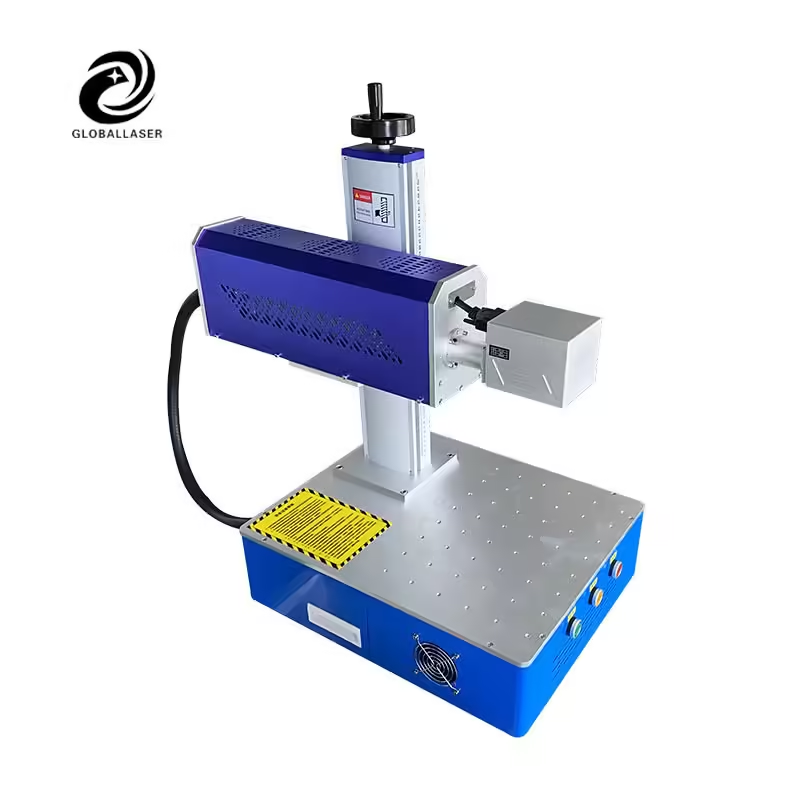
A table laser cutting machine is an essential tool for workshops, small manufacturers, and makerspaces that require precision cutting and engraving. These machines allow users to process materials such as acrylic, wood, leather, fabric, cardboard, and even some metals efficiently. Choosing the right table laser cutting machine can improve production quality, reduce waste, and optimize workflow for both small-batch and prototyping projects.
Table laser cutting machines are compact, versatile, and cost-effective compared to larger industrial laser systems. They are widely applied in prototyping, personalized products, small-scale manufacturing, educational environments, and creative design studios. Understanding the key specifications, advantages, and applications is crucial for selecting the best machine for your needs.
Advantages of Table Laser Cutting Machines
Table laser cutting machines offer several benefits over traditional cutting methods:
- High Precision: Accurately cuts intricate designs and complex shapes.
- Material Efficiency: Minimizes waste through precise control of cutting paths.
- Speed: Faster production cycles compared to manual cutting or die-cutting.
- Versatility: Supports a wide range of materials and thicknesses.
- Ease of Design: Patterns can be easily adjusted or replaced digitally.
These advantages make table laser cutting machines suitable for workshops, small businesses, and educational institutions seeking high-quality production.
Key Features to Consider
When selecting a table laser cutting machine, the following features should be evaluated:
Laser Type and Power
CO₂ lasers are ideal for organic and non-metallic materials like wood, acrylic, and leather, while fiber lasers are preferred for metals. Laser power determines the thickness of materials the machine can handle and affects cutting speed and edge quality. Proper power settings are crucial to avoid scorching, melting, or incomplete cuts.
Work Area
The size of the worktable defines the maximum material dimensions. Larger work areas are necessary for bigger sheets, while compact machines save space and are suitable for small projects. Consider future production needs when evaluating table size.
Motion System
Precision cutting requires smooth motion control. Linear guides or high-quality rails ensure accurate and repeatable cuts. Stability during operation reduces errors and improves the final product quality.
Software Compatibility
The machine should support vector file formats such as DXF, SVG, or AI. Advanced software features like layer control, speed/power adjustments, and multi-pass cutting allow more precise and consistent results.
Ventilation and Safety
Cutting generates smoke and fumes, especially with organic materials. A proper ventilation system and air assist are essential for safety and consistent cutting performance. Enclosures with safety interlocks prevent accidental exposure to the laser beam.
Comparison Table: Small, Medium, and Large Table Laser Machines
| Feature | Small Table Machine | Medium Table Machine | Large Table Machine |
|---|---|---|---|
| Working Area | Compact | Moderate | Large |
| Laser Power | 40–50W CO₂ | 60–80W CO₂ | 100–130W CO₂ / Fiber |
| Suitable Materials | Thin wood, acrylic, leather | Medium sheets, small batches | Thick materials, large sheets, metal cutting |
| Applications | Crafts, custom items | Small-scale production, signage | Industrial parts, batch manufacturing |
| Precision | High | High | Very high |
| Cost | Low | Medium | High |
Applications of Table Laser Cutting Machines
Creative and Craft Applications
Table laser cutting machines are excellent for small businesses producing personalized items such as:
- Keychains, jewelry, and custom gifts
- Small decorative items made from wood, acrylic, or leather
- Intricate patterns for craft projects
Prototyping and Product Development
Designers and engineers use table lasers to create accurate prototypes:
- Packaging mock-ups and display components
- Product design iterations with quick modifications
- Rapid prototyping for testing and validation
Educational and Workshop Use
Table laser cutting machines are widely used in schools, makerspaces, and universities:
- Teaching laser cutting and engraving techniques
- Safe experimentation with digital design and fabrication
- Small-scale production for student projects
Industrial Applications
For higher-end table lasers, applications include:
- Cutting and marking metal components
- Custom industrial signage
- Batch production of medium-sized parts
- Processing thick acrylic or wood sheets for furniture or industrial prototypes
Tips for Optimal Use
Material Preparation
Ensure sheets are flat, clean, and free of dust or moisture. Thin or flexible materials may need tape or fixtures to keep them stable during cutting.
Ventilation and Safety
Proper exhaust systems remove smoke and debris. Air assist can improve cutting quality and reduce scorching.
Test Cuts
Always perform small test cuts to fine-tune speed, power, and focus. Maintain a record of settings for different materials.
Post-Processing
Some materials may require light sanding or edge finishing after cutting. Acrylic or wood edges may need buffing for a polished look.
Maintenance Guidelines
Daily Maintenance
- Clean lenses and mirrors
- Remove debris from the cutting bed
- Check air assist and ventilation
Weekly Maintenance
- Inspect motion rails and belts
- Verify laser alignment
- Lubricate moving components
Monthly Maintenance
- Inspect electrical connections
- Test software calibration
- Review laser tube performance and cooling system
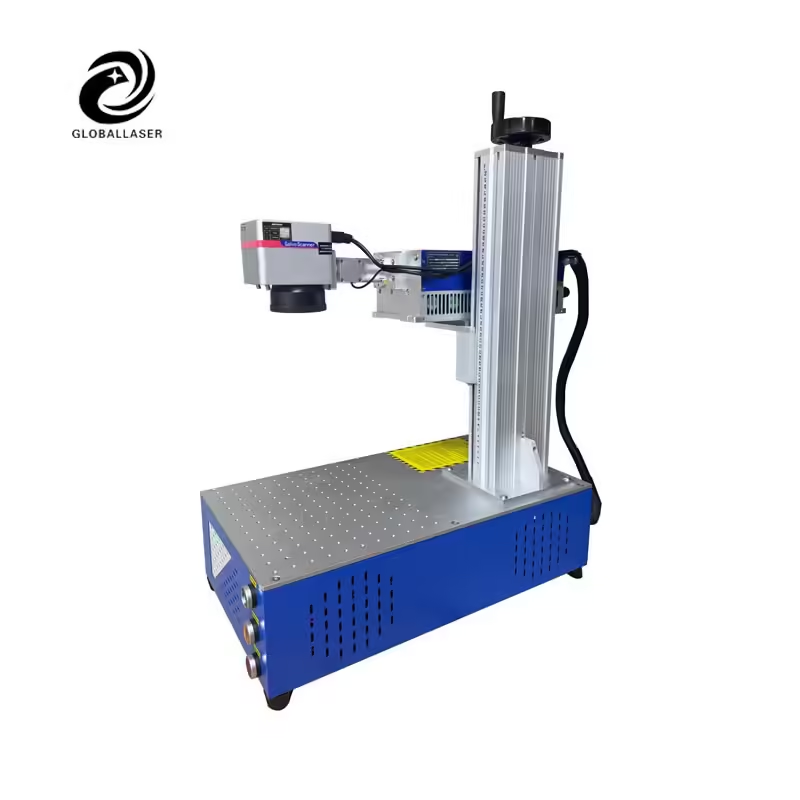
Regular maintenance ensures consistent cutting quality and extends the machine’s life.
FAQ
What materials can a table laser cutting machine handle?
It can cut wood, acrylic, leather, cardboard, fabric, and certain coated metals, depending on laser type and power.
Can beginners operate these machines?
Yes, most modern table laser machines are user-friendly and safe for beginners.
How large a sheet can a table laser cutting machine cut?
It depends on the machine’s working area. Small machines handle compact sheets, while large machines accommodate industrial-sized materials.
Do I need ventilation?
Yes, smoke and fumes from cutting require a proper exhaust system to maintain safety and protect optics.
What is the difference between CO₂ and fiber table lasers?
CO₂ lasers excel at organic and non-metallic materials. Fiber lasers are better for metals and highly reflective surfaces.
Ready to Upgrade Your Workshop with a Table Laser Cutting Machine?
If you’re unsure which table laser cutting machine fits your materials, production scale, or workspace, our experts are here to guide you. Contact us today for a personalized consultation and ensure you select a machine that delivers precision, efficiency, and reliable performance. Don’t wait—reach out now and take your production to the next level!