

Choosing the Right Table Laser Cutting Machine for Your Workshop
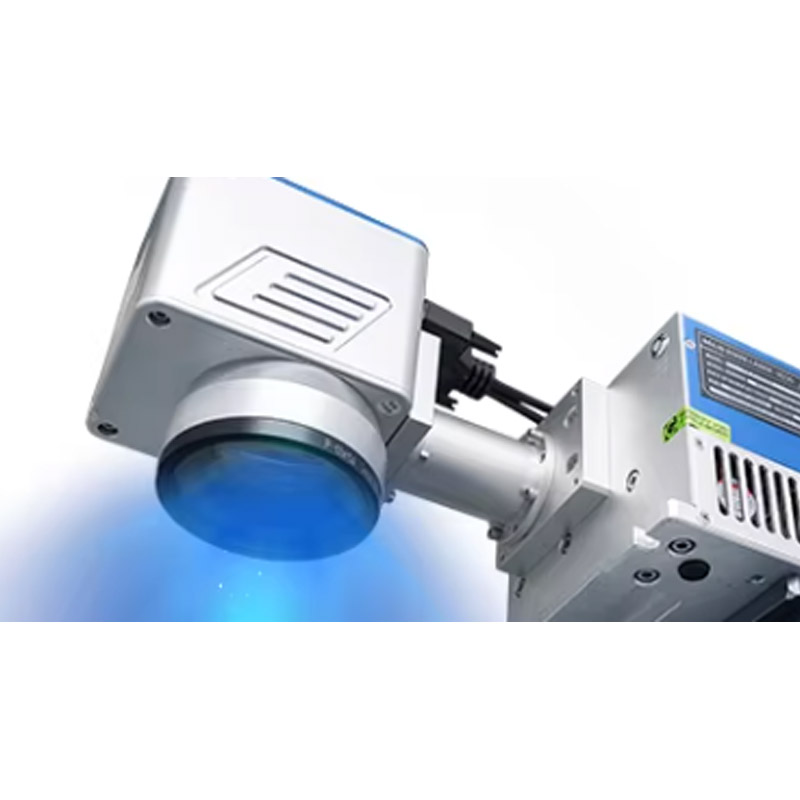
A table laser cutting machine is an essential tool for modern workshops, makerspaces, and small manufacturing environments. It allows precise cutting and engraving of materials such as acrylic, wood, fabric, leather, cardboard, and certain coated metals. Selecting the right table laser cutting machine can significantly improve production efficiency, accuracy, and project quality.
Table laser cutting machines are versatile, compact, and cost-effective compared to large industrial laser systems. They are widely used for prototyping, small-batch production, signage, personalized gifts, and educational projects. Understanding the differences in working area, laser power, material compatibility, and software capabilities is crucial for choosing the most suitable system for your needs.
Table of Contents
Key Features of Table Laser Cutting Machines
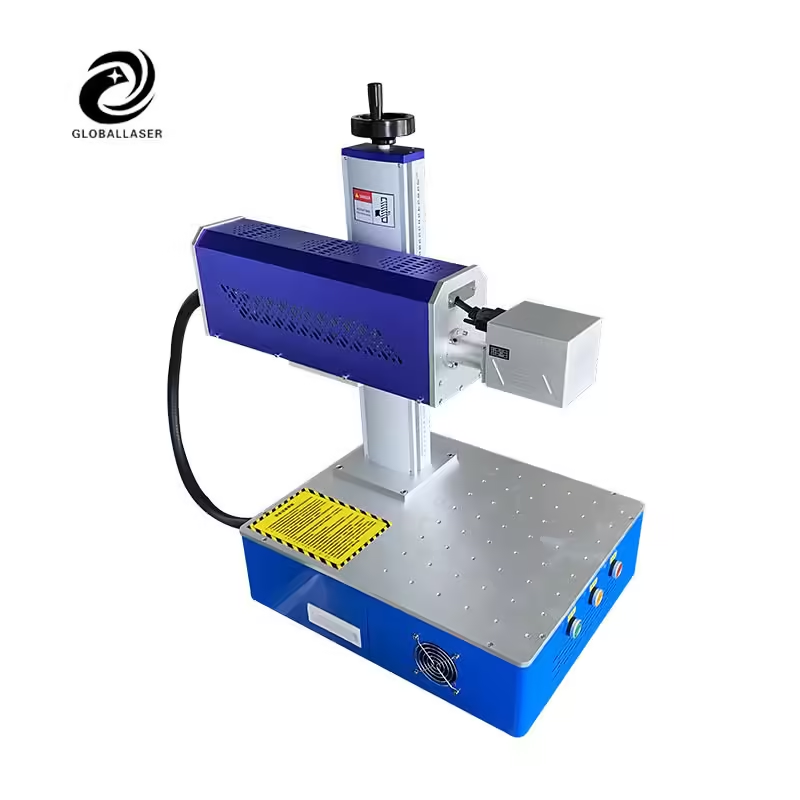
Table laser cutting machines combine a laser source, motion system, and worktable in a single unit. Key features to consider include:
- Working area: Defines the maximum size of material that can be processed.
- Laser power: Determines cutting depth, speed, and ability to handle thicker materials.
- Motion system: Linear rails or belts impact cutting precision and smoothness.
- Software and connectivity: Controls cutting patterns, supports vector and raster files, and enables workflow automation.
- Cooling system: Air-cooled or water-cooled systems maintain stable performance.
- Safety features: Enclosures, sensors, and interlocks ensure safe operation.
Types of Table Laser Cutting Machines
There are three main types of table laser cutting machines based on their laser sources:
Fiber Laser Table Machines
Ideal for metal cutting and engraving. Fiber lasers provide high energy efficiency, long lifespan, and minimal maintenance. They excel at cutting stainless steel, aluminum, and brass, making them suitable for metal fabrication workshops.
CO2 Laser Table Machines
Best for organic and non-metallic materials such as wood, acrylic, leather, rubber, and paper. CO2 lasers provide smooth edges and high-quality engraving, making them suitable for prototyping, signage, and crafts.
UV and MOPA Laser Table Machines
Used for precision marking and engraving. UV lasers are suitable for heat-sensitive materials, electronics, and detailed patterns, while MOPA lasers offer adjustable pulse width and frequency for versatile cutting and color marking on coated metals.
Comparison Table of Table Laser Cutting Machines
| Feature | Fiber Laser Table | CO2 Laser Table | UV/MOPA Laser Table |
|---|---|---|---|
| Best For | Metals | Wood, acrylic, leather | Heat-sensitive materials, coated metals |
| Maximum Thickness | Up to 6 mm steel | Up to 10 mm wood/acrylic | Up to 3 mm coated metals |
| Cutting Speed | Fast | Medium | Medium |
| Precision | High | Medium | Very high |
| Maintenance | Low | Medium | Medium-high |
| Cost | Higher | Medium | High |
Applications of Table Laser Cutting Machines
Table laser cutting machines are widely used in multiple industries:
Signage and Advertising
Cut and engrave acrylic, wood, or cardboard signs with precise shapes, letters, and logos.
Packaging and Prototyping
Create packaging prototypes, product mock-ups, and display designs with high accuracy.
Leather and Fashion Accessories
Cut leather, fabric, and textiles for small-batch production of bags, shoes, and custom accessories.
Educational and Makerspaces
Ideal for teaching laser cutting, engraving, and prototyping with safe, small-footprint machines.
Industrial and Metal Fabrication
Fiber table lasers allow precision cutting and marking of sheet metals for industrial components.
Factors to Consider Before Buying
Working Area
Choose a table laser cutting machine with a workspace large enough for your material sizes. Consider future expansion needs to avoid limitations.
Laser Power
Higher laser power allows cutting thicker materials faster. Ensure the machine can handle the material types and thicknesses you plan to use.
Material Compatibility
Check whether the laser source matches the materials you need to process. CO2 lasers work best with non-metals, while fiber lasers excel with metals.
Software Features
Advanced software enables vector and raster cutting, file import/export, and integration with CAD designs for precision control.
Cooling and Ventilation
Proper cooling and exhaust systems maintain consistent performance and prevent overheating. Water-cooled systems are better for high-power machines.
Maintenance and Support
Reliable technical support, accessible spare parts, and routine maintenance procedures extend the machine’s service life.
FAQ
What materials can a table laser cutting machine process?
It can cut and engrave wood, acrylic, cardboard, leather, rubber, fabric, and certain coated metals, depending on the laser type.
What is the difference between CO2 and fiber table lasers?
CO2 lasers are ideal for organic and non-metallic materials, while fiber lasers excel at cutting and engraving metals.
Can beginners use a table laser cutting machine?
Yes. Many modern table lasers include user-friendly interfaces and safety features suitable for new users.
How thick can a table laser cut?
Cutting thickness depends on laser power and material. CO2 lasers can cut up to 10 mm of wood or acrylic, while fiber lasers can cut 6 mm of steel.
How do I maintain a table laser cutting machine?
Clean lenses and mirrors daily, check alignment weekly, inspect electrical connections monthly, and ensure cooling and exhaust systems are functioning properly.
Ready to Upgrade Your Workshop with a Table Laser Cutting Machine?
If you’re unsure which table laser cutting machine is best for your materials, production goals, or workshop size, our experts are here to guide you. Contact us today for a personalized consultation and ensure you choose a solution that delivers precision, efficiency, and long-term reliability. Don’t wait—reach out now to enhance your cutting and engraving capabilities with confidence!