

Choosing the Right Metal Engraving Laser Machine
Table of Contents
Introduction
Selecting a metal engraving laser machine is a critical decision for manufacturers, workshops, and industrial production lines aiming to improve speed, precision, and repeatability. As the demand for high-quality metal marking increases across automotive, aerospace, medical devices, and electronics, businesses need equipment capable of delivering consistent and permanent results.
This guide provides a detailed overview of essential technologies, operational considerations, and best-fit recommendations to help you make an informed investment.
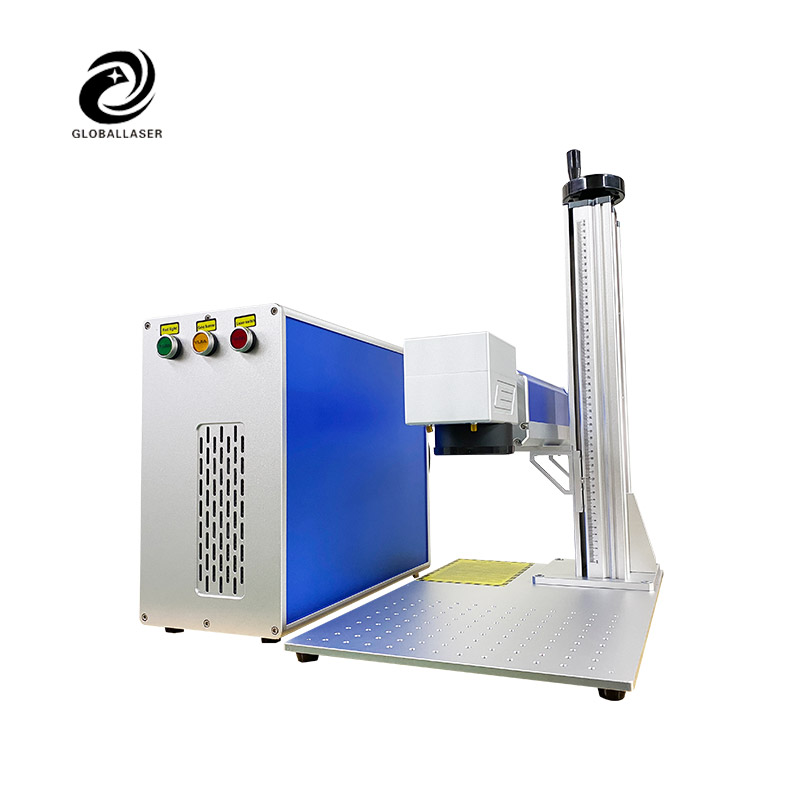
Understanding How a Metal Engraving Laser Machine Works
A metal engraving laser machine uses a focused laser beam to vaporize or modify the surface of metal materials. By delivering extremely high energy density in a precise area, the machine creates permanent markings such as serial numbers, QR codes, logos, and part identification.
Key Operating Principles
- Laser generation
- Beam delivery
- Focusing optics
- Motion control
- Software processing
- Thermal interaction with metal surfaces
The entire system is engineered for precision, enabling users to produce micro-scale engravings and deep permanent marks on metals ranging from stainless steel to titanium.
Types of Metal Engraving Lasers
Choosing the correct type of metal engraving laser machine depends on factors such as material hardness, marking depth, engraving speed, surface reflectivity, and budget.
Fiber Laser Engraving Systems
Fiber lasers are the most commonly used solution due to their high energy efficiency, exceptional beam quality, and long service life. They are ideal for stainless steel, carbon steel, aluminum, brass, and most industrial metals.
CO2 Laser Engraving Systems
CO2 lasers are less commonly used for metals unless the surface is coated or treated. Their strength lies in non-metal materials, but certain coated metals may still benefit from CO2 systems.
UV Laser Systems
UV lasers deliver a cold-processing effect, which is highly valuable for applications requiring minimal heat impact. They are often used for precision electronics, medical equipment, and ultra-fine marking.
MOPA Laser Systems
A MOPA metal engraving laser machine provides superior control over pulse frequency and width, making it ideal for color engraving on stainless steel, black marking on aluminum, and delicate structural engraving.
Comparing Different Laser Systems
Performance Comparison Table
| Laser Type | Best For | Engraving Depth | Speed | Heat Impact | Cost Level |
|---|---|---|---|---|---|
| Fiber Laser | Industrial metals, serial codes | Deep | Fast | Moderate | Medium |
| CO2 Laser | Coated metals | Shallow | Medium | Higher | Medium |
| UV Laser | Electronics, fine components | Very shallow | Medium | Very low | High |
| MOPA Laser | Color engraving, precision work | Medium | Fast | Low | High |
This table provides an at-a-glance way to evaluate which metal engraving laser machine best aligns with your production needs.
Essential Factors to Consider Before Purchase
Selecting the right machine requires analyzing both current production requirements and long-term growth expectations.
Engraving Depth and Precision
Depending on whether your application requires surface markings or deep cuts, laser power and pulse characteristics become critical. Industrial components often require deeper, permanent engravings, while electronics focus on micro-precision.
Material Compatibility
Ensure the metal engraving laser machine you select is designed for the metals you work with most frequently. High-reflectivity materials such as copper and gold require more specialized laser performance.
Production Speed and Batch Volume
Manufacturing environments with high daily output must prioritize faster marking speeds and automation compatibility. CNC tables, rotary attachments, and conveyor integrations greatly improve productivity.
Cooling System and Stability
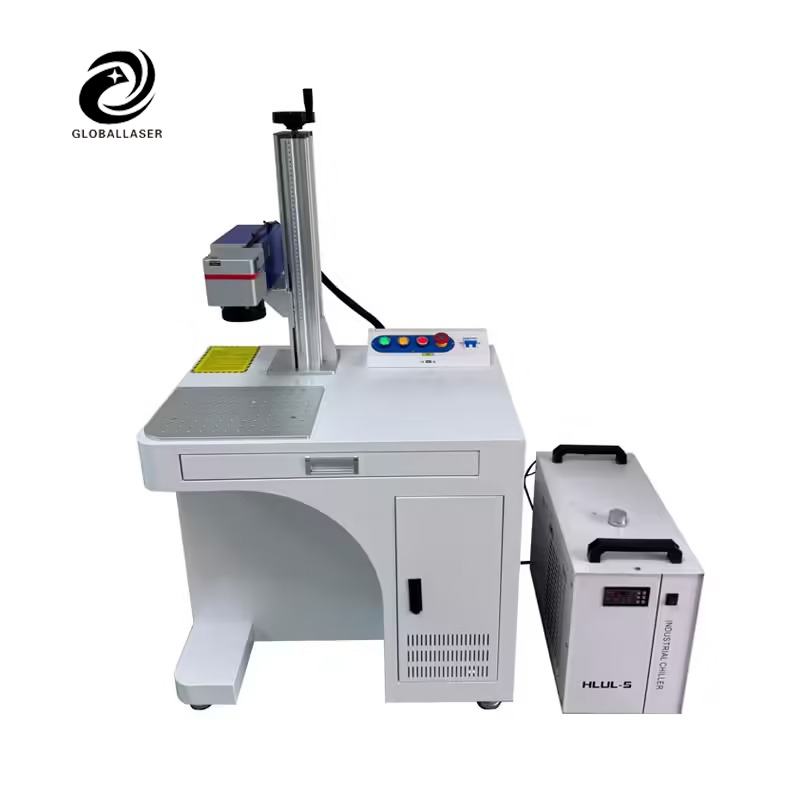
Air-cooled systems are typically enough for medium-power lasers, while high-power engraving machines may require water cooling to maintain long-term stability.
Software and Data Integration
Industrial traceability systems rely on flexible software that supports barcode formats, serial management, database integration, and real-time monitoring.
Applications Across Industries
A metal engraving laser machine is widely used in:
Automotive Manufacturing
VIN codes, component tracking numbers, brake systems, engine parts.
Aerospace and Defense
Corrosion-resistant engravings, compliance identification, aerospace-grade alloys.
Medical Devices
Surgical instruments, implants, stainless-steel tools requiring biocompatible markings.
Electronics
Ultra-precise QR codes, micro-engraved circuits, chip housings.
Precision Tooling
Molds, dies, cutting tools, and calibration components.
The versatility of laser engraving continues to expand as industries adopt digital traceability and quality assurance systems.
Maintenance and Operating Costs
Operating a metal engraving laser machine involves minimal consumables compared to older marking technologies. Main cost factors include:
- Occasional lens cleaning
- Proper ventilation
- Minimal replacement parts
- Basic operator training
Fiber lasers, in particular, offer 100,000+ hours of working life and low maintenance overhead.
Common Mistakes to Avoid
- Choosing an underpowered laser for thick metals
- Ignoring motion platform stability
- Overlooking software functionality
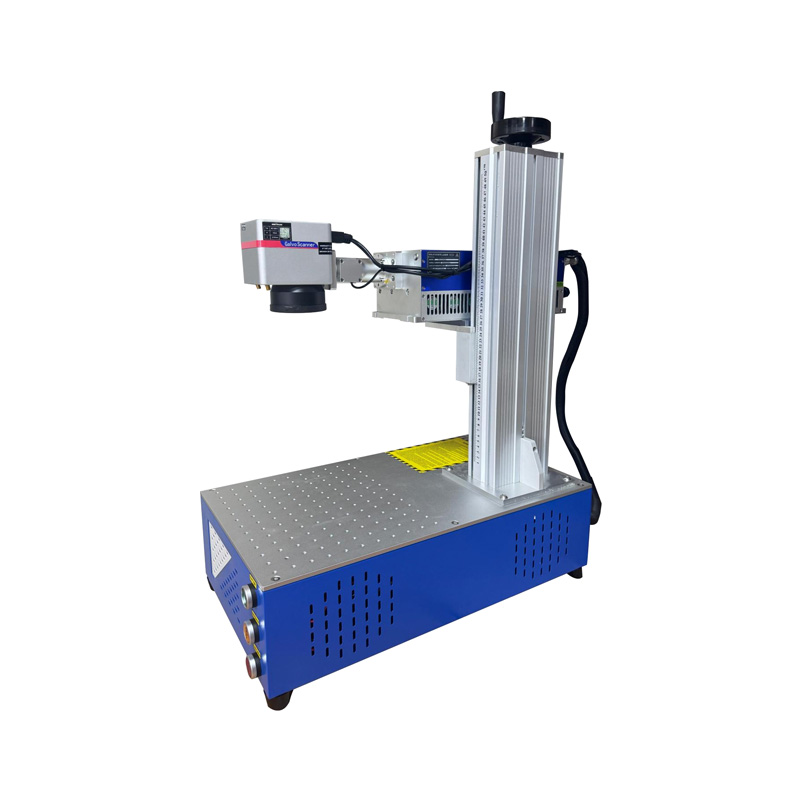
- Selecting a non-industrial chassis for heavy production
- Forgetting about future expansion or automation needs
Avoiding these mistakes ensures better performance and higher ROI over the machine’s lifespan.
FAQ
What materials can a metal engraving laser machine process?
Most industrial metals including stainless steel, aluminum, titanium, brass, carbon steel, and specialty alloys can be engraved effectively.
Is laser engraving permanent?
Yes. The engraving becomes part of the metal structure itself, making it highly resistant to wear, heat, corrosion, and chemical exposure.
Does laser engraving damage the structural integrity of metal?
When properly configured, the heat-affected zone is minimal, and structural integrity is preserved. UV and MOPA lasers are ideal for heat-sensitive applications.
What is the best type of laser for deep engraving?
High-power fiber lasers deliver excellent depth while maintaining strong marking contrast.
How long does a typical laser source last?
A quality fiber laser source can operate for more than 100,000 hours, making it one of the most cost-effective marking technologies available.